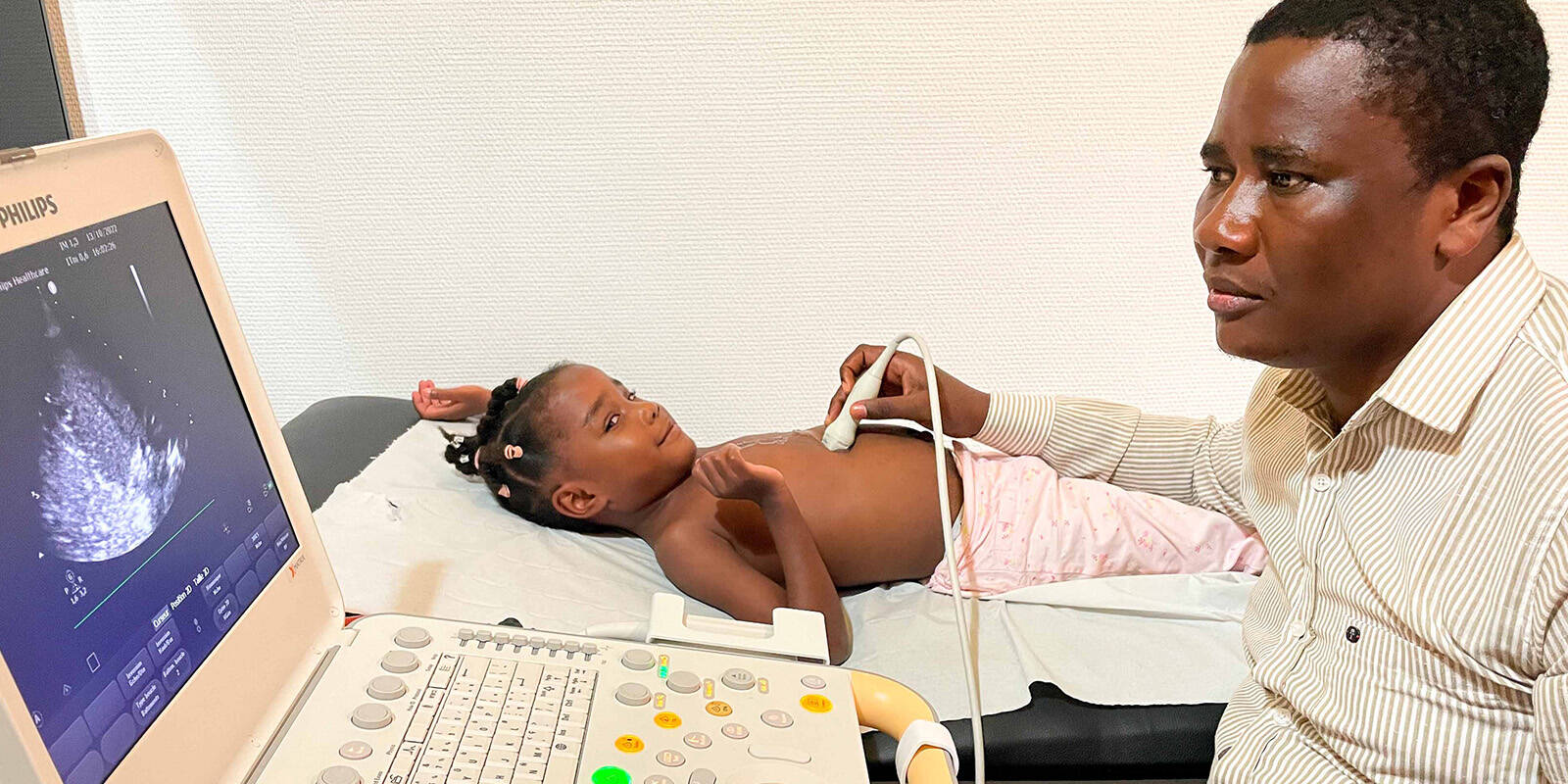
Training in cardiopediatrics: a doctor from the DRC is the first to attend Echo Training!
Since March 2020, we have been building a training program in pediatric cardiology for doctors around the world, in the form of an e-learning platform. This program is part of our commitment to improve the quality of care for children by enabling foreign doctors to receive free training in this specialty.
Our referral doctors abroad play a vital role in identifying children with heart defects, and in preparing applications for treatment. It is therefore essential that they make accurate diagnoses and provide us with reliable information. To help them do this, we have created a free, distance learning program in pediatric cardiology, which can be downloaded and consulted on a smartphone (program entitled " Formation 5/5 ").
In a second phase, we have created a new module, called "Echo-Training", aimed at doctors with a proven track record in "Formation 5/5", chosen by the Association's medical staff to come and deepen their knowledge of echocardiography during a week-long practical training course in France alongside expert cardiopediatricians.
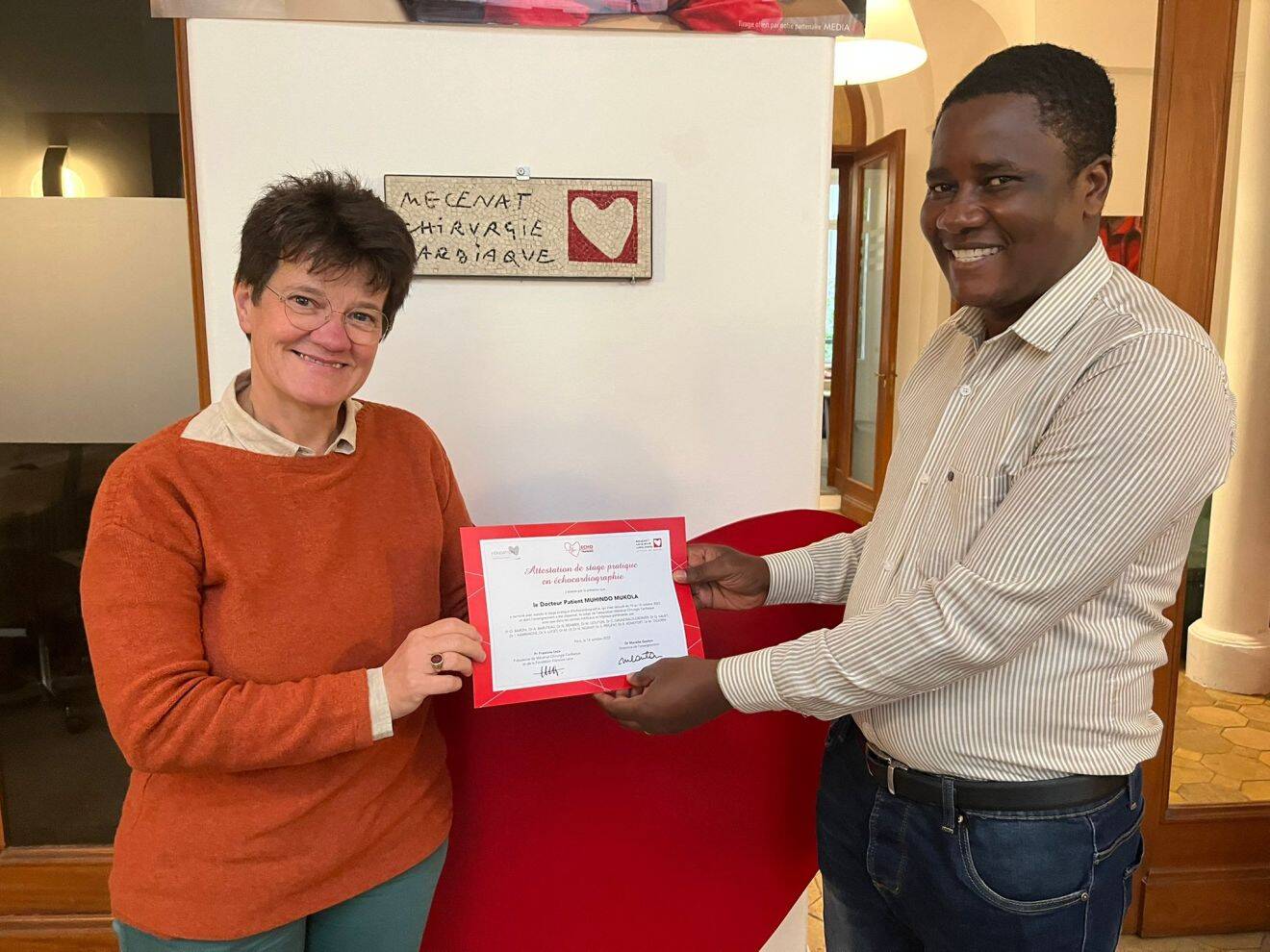
Dr Patient Muhindo, first doctor to benefit from Echo-Training
Dr Patient Muhindo is a general practitioner in North Kivu, Democratic Republic of Congo. He practices at the Ntamugenga referral health center, some 70km north of Goma, in a remote area where it is difficult to evacuate patients due to the lack of road infrastructure. As a result, he has been trained in essential surgery in isolated areas and in general ultrasound. As there is no cardiologist, let alone a paediatric cardiologist, at his facility, he decided to train in paediatric cardiology through the Formation 5/5 courses.
Highly assiduous and motivated to perfect his skills, he began practicing pediatric cardiac ultrasound on his own. Today, he performs between 7 and 10 pediatric cardiac ultrasounds a month, and has already detected several children who have been treated by the Association.
A very rewarding week of intensive training
This week of practical training took place from October 10 to 14. The aim was for the doctor togain practical experience of pediatric echocardiography, and to carry out as many examinations as possible, trying to see the most frequent pathologies several times, and less frequent pathologies at least once.
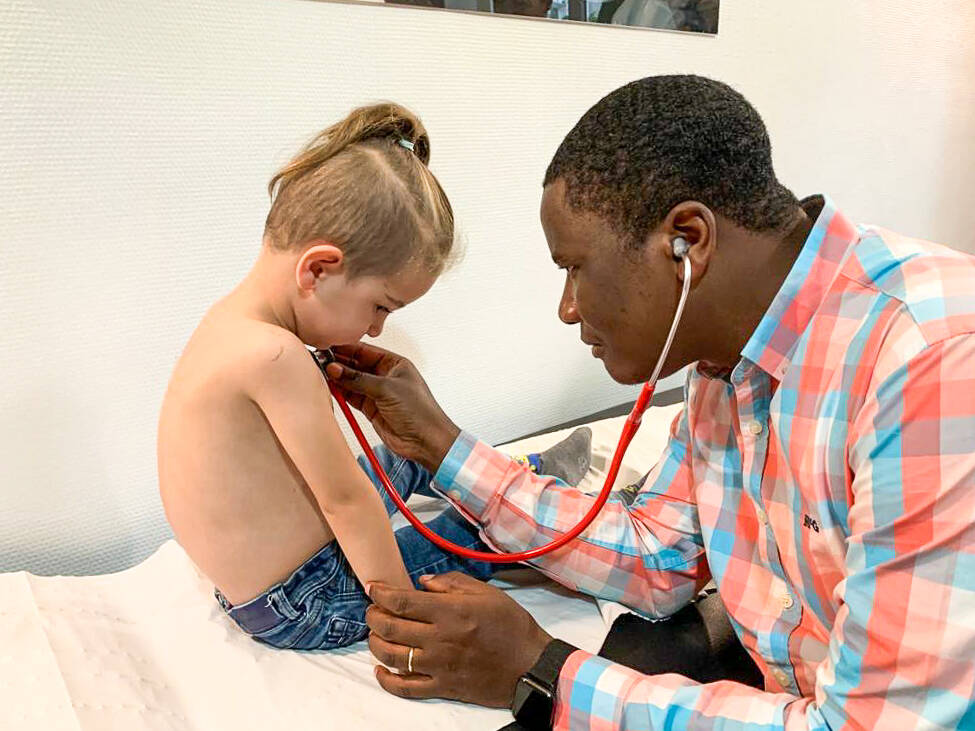
Monday, October 10
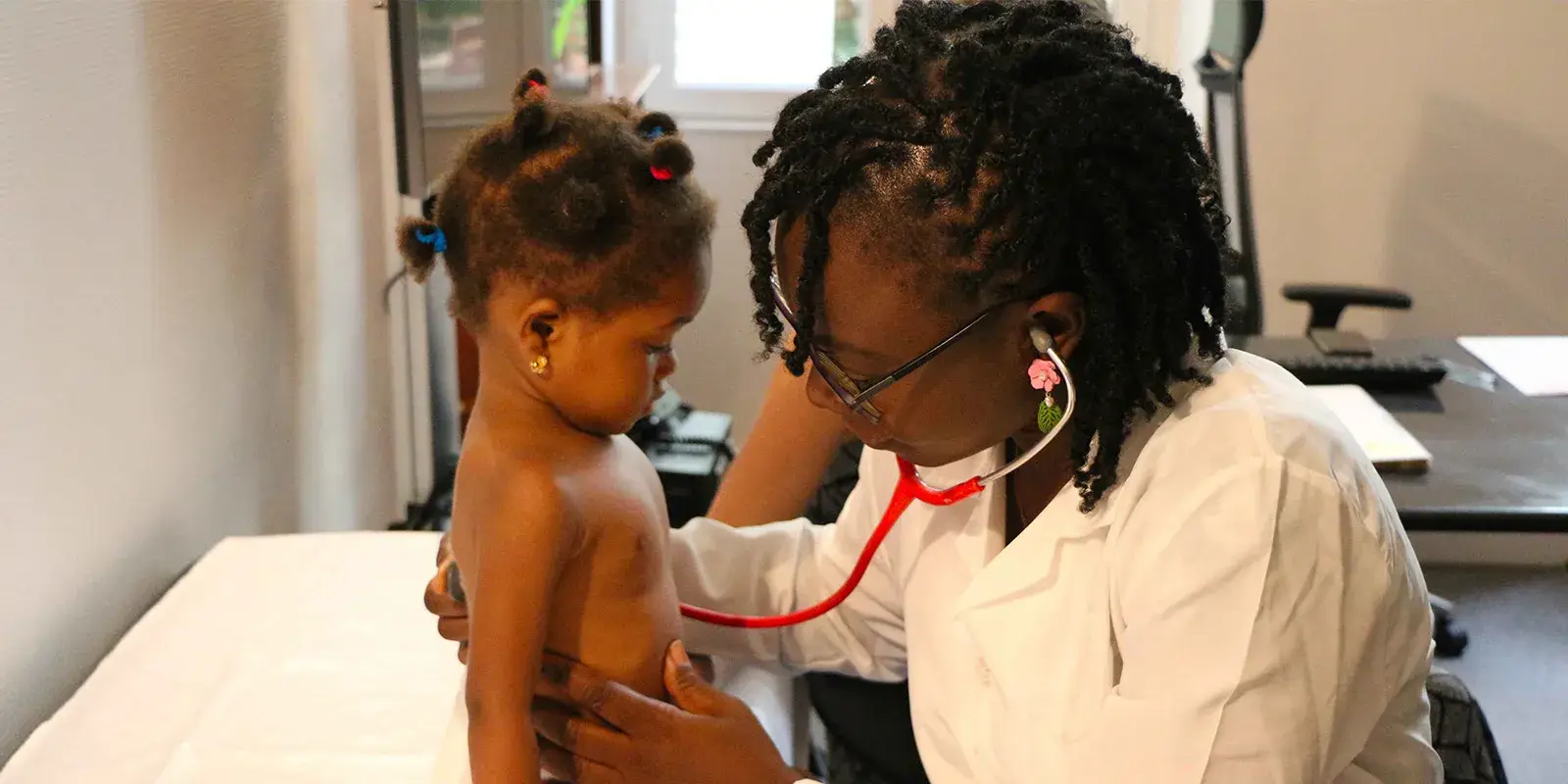
After a warm welcome at the Association's offices, and a meeting with the teams, Dr Muhindo took part in several pre- and post-operative consultations in the Association's consultation room in Paris. He was accompanied by Dr Marielle Gouton, cardiopediatrician and medical advisor to Mécénat Chirurgie Cardiaque.
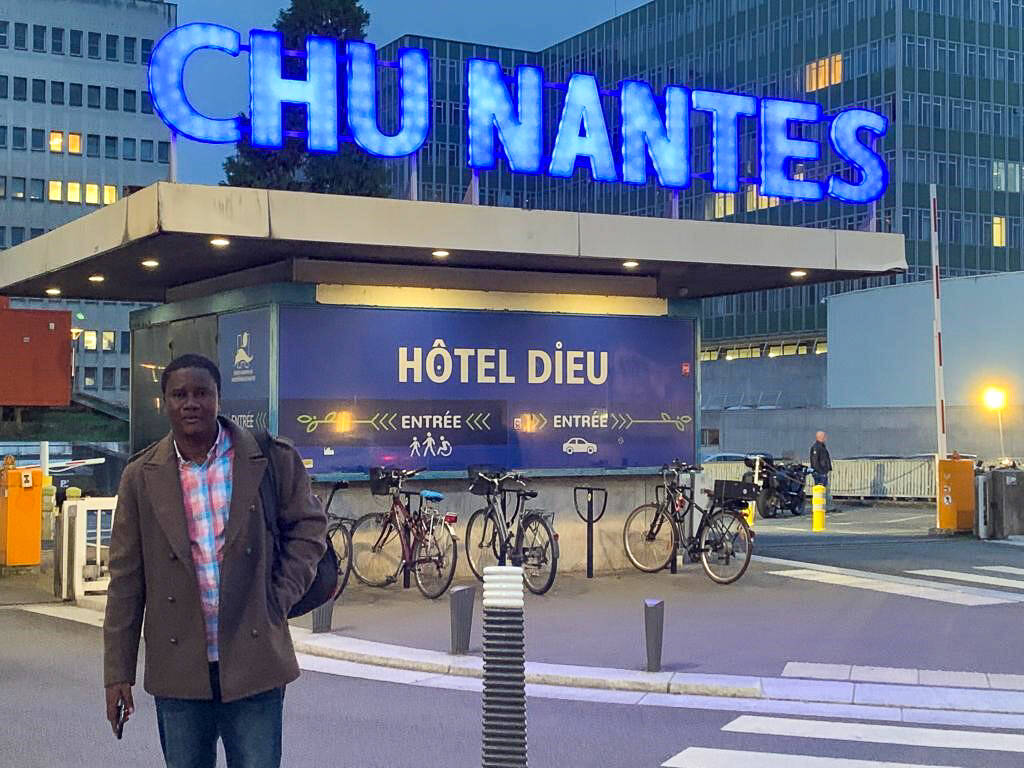
Tuesday, October 11
We headed for the C.H.U. in Nantes, to the pediatric cardiology department, where children cared for by the Association undergo surgery. Doctors Muhindo and Gouton were welcomed by Professor Olivier Baron, pediatric cardiac surgeon , and the medical team led by Professor Alban Baruteau, cardiopediatrician. A rich and exciting day for our doctor-in-training, who was able to work alongside a friendly and dynamic team.
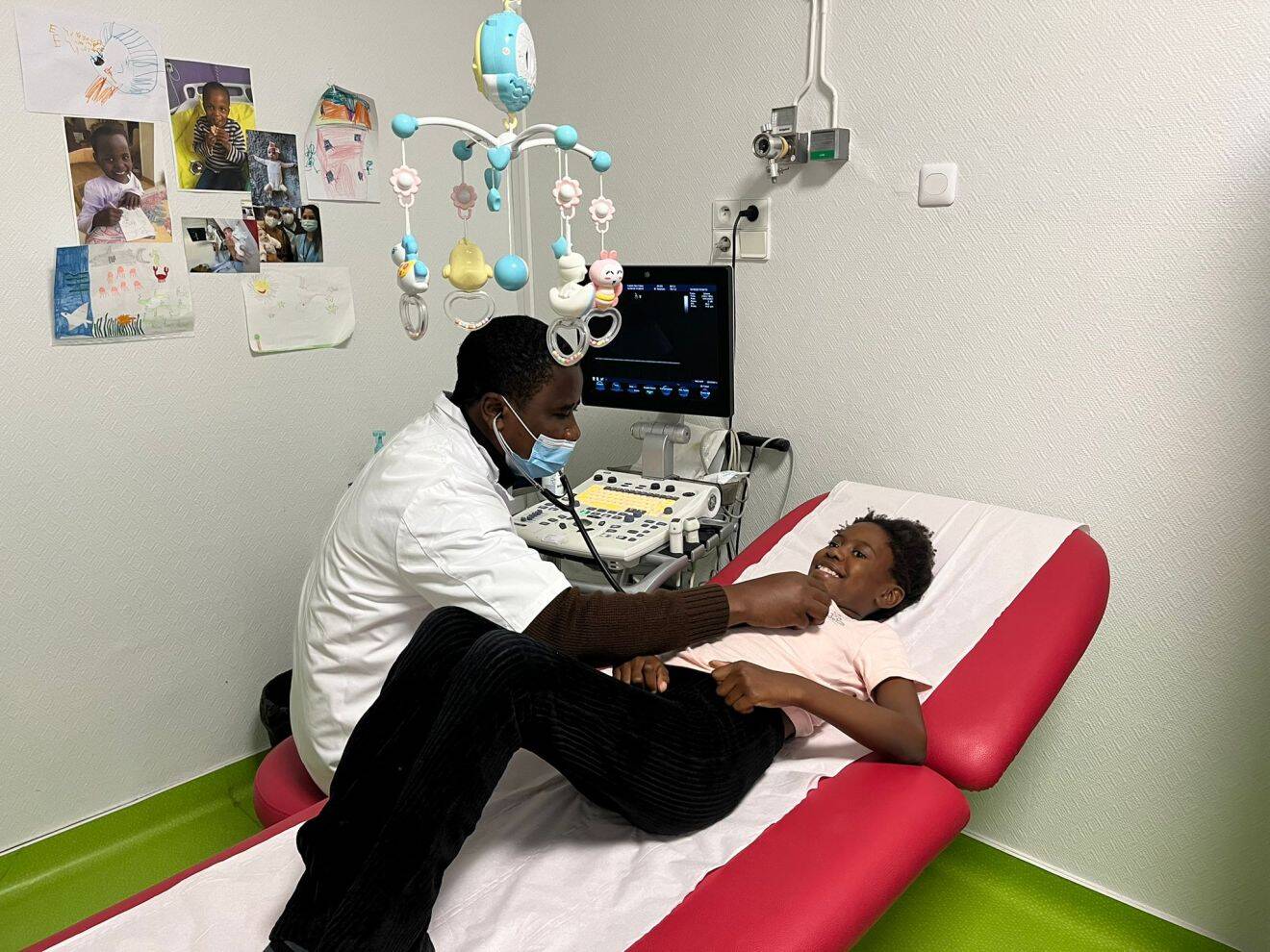
Wednesday, October 12
Dr Muhindo was received at the Centre Pédiatrique des Côtes, the convalescence center for children undergoing surgery in Paris. The program included a number of consultations, in the morning with Dr Issam Kammache, who is also the Association's consulting physician, and in the afternoon with Dr Hervé Ngayap, both cardiopediatricians.
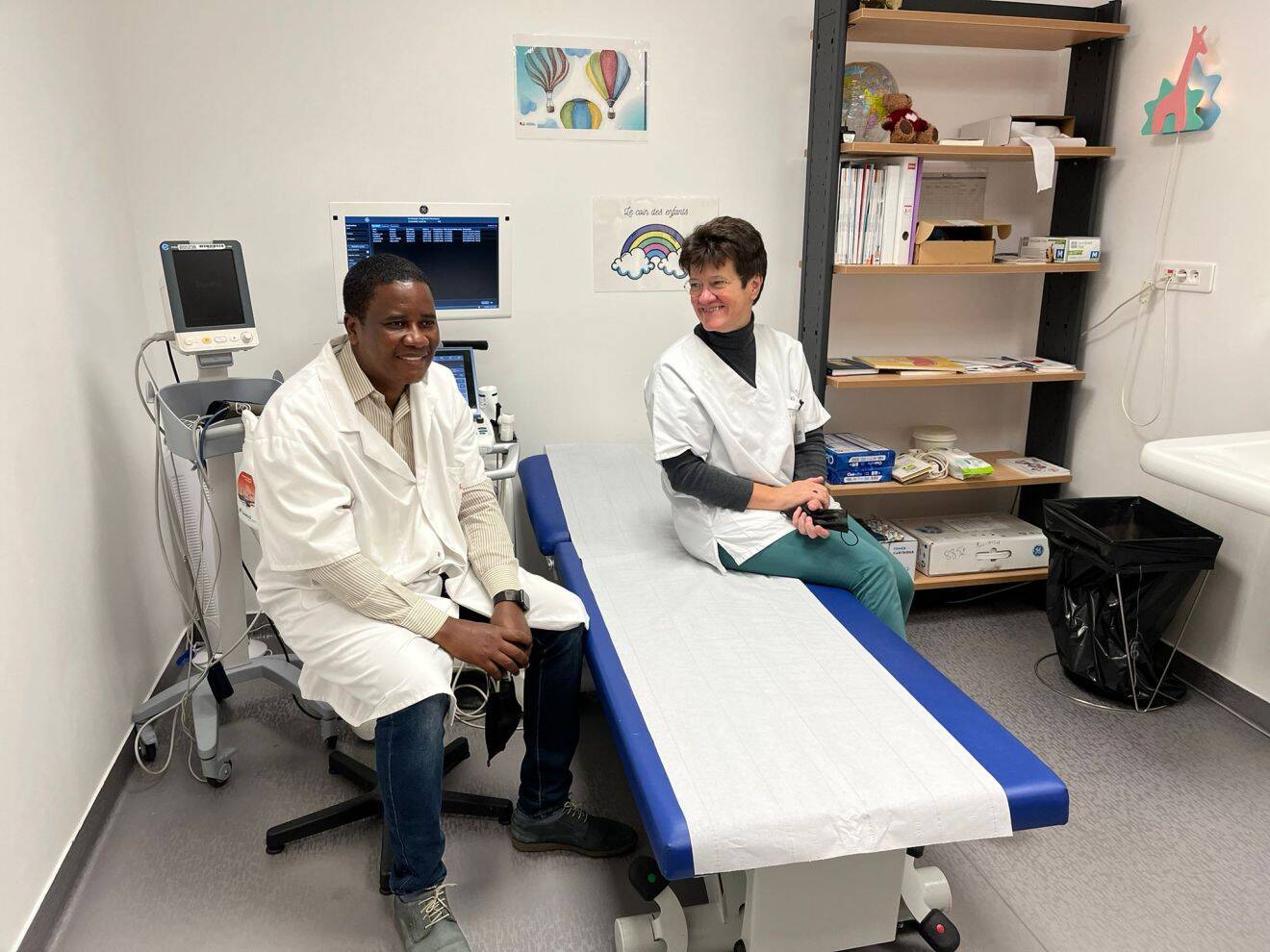
Thursday, October 13
Throughout the morning, Dr Muhindo practiced ultrasound alongside Dr Gouton in his practice at the Institut Montsouris. The afternoon was devoted to pre- and post-operative consultations at the Association, again with Dr Kammache.
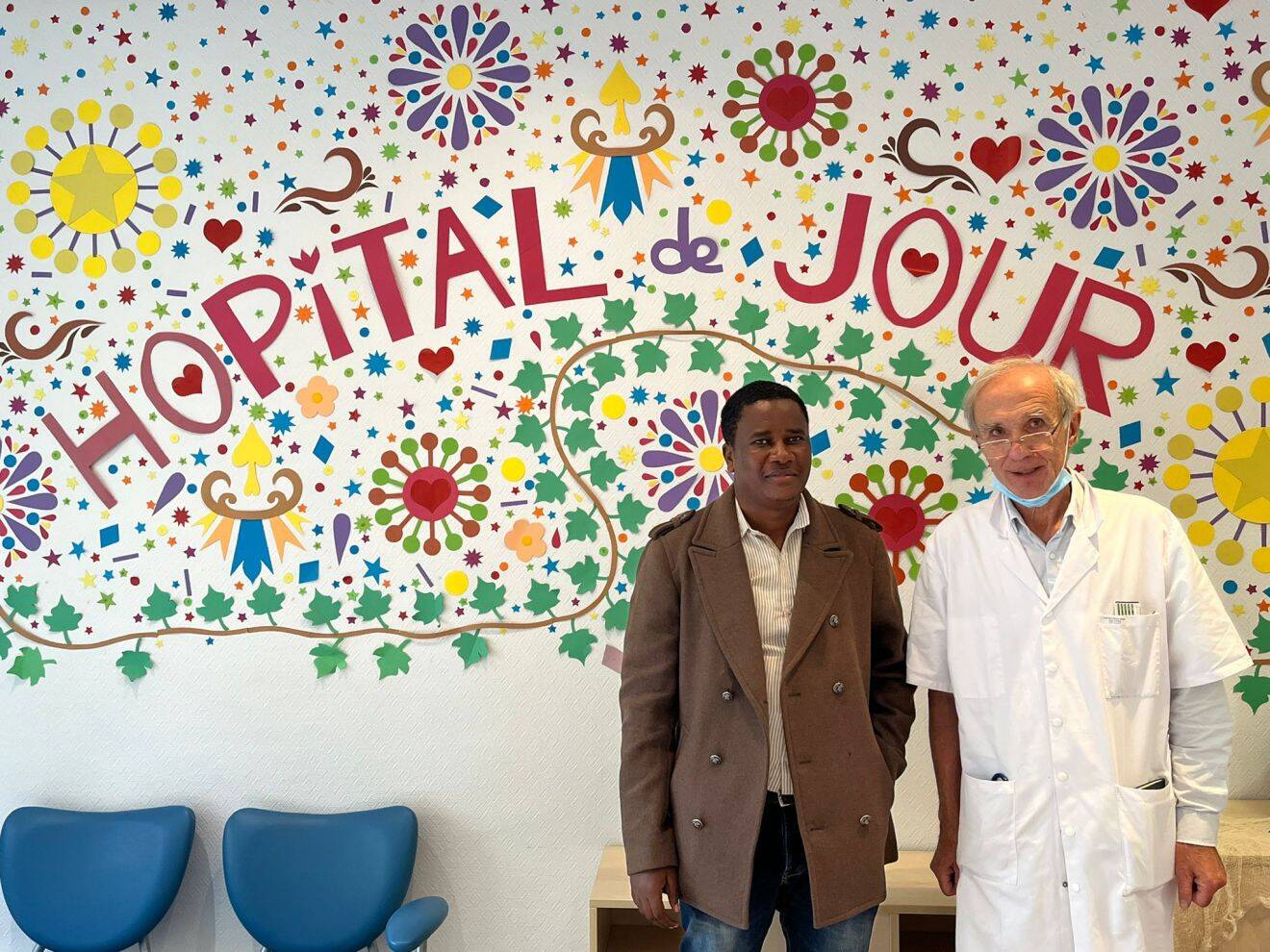
Friday, October 14th
The week ended with a morning of consultations at the Centre Pédiatrique des Côtes with Dr Vincent Lucet, a cardiopediatrician, rhythmologist and member of the Association.
Over 5 days, Dr Muhindo acquired new skills, showed great willingness and interest in learning. He was delighted with the ease with which he acquired new knowledge, thanks to the trainers' "learning by doing" methodology.